
Stewardship in a Time of Repair: Holding People, Stories and Buildings with Integrity
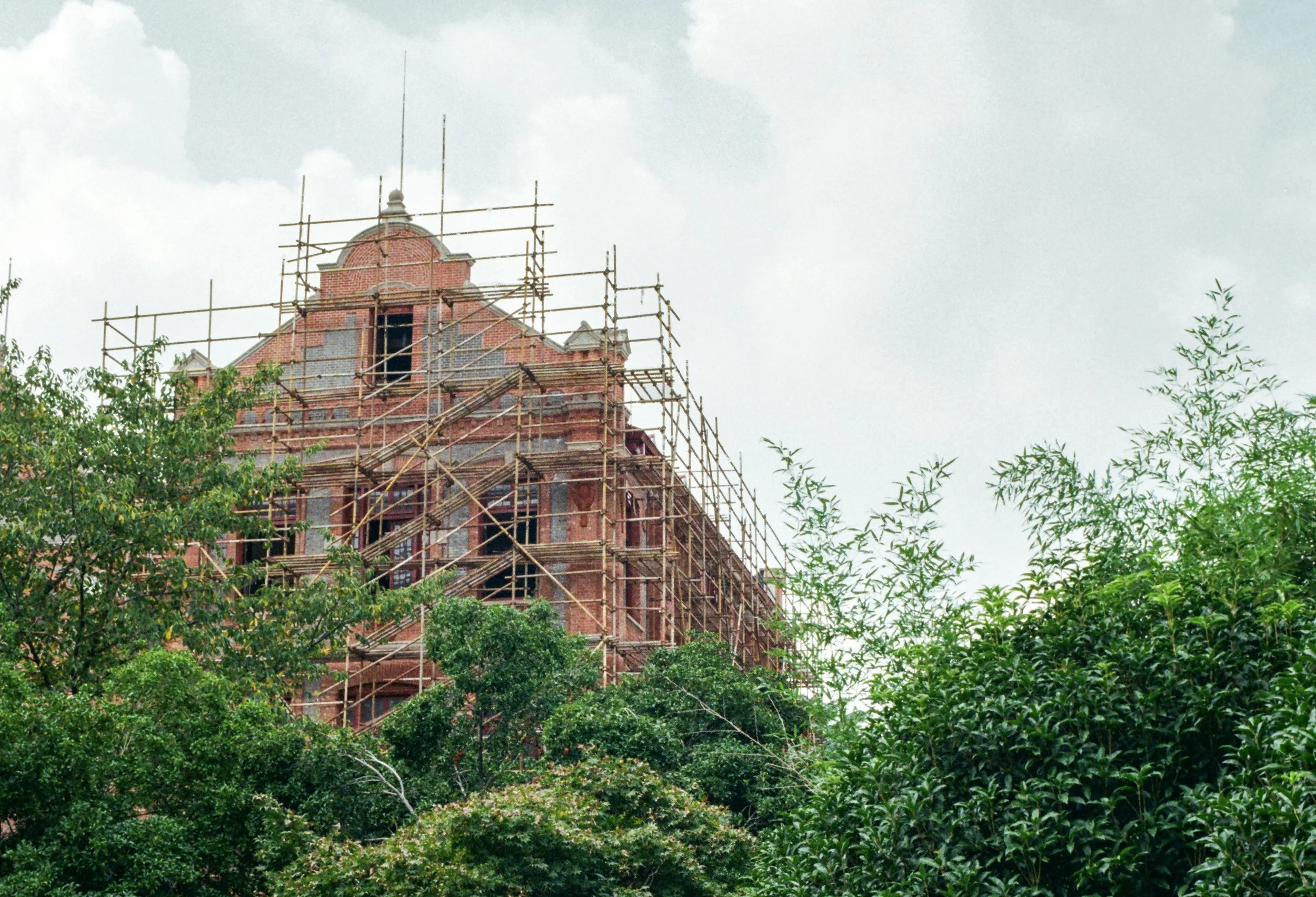
Across the heritage sector, a deep and persistent tension has been building over the past decade. Significant investment commitments made in 2025–26 have aimed to stabilise physical heritage assets and protect cultural infrastructure, yet sector leaders have also been clear that heritage is in its most fragile condition for half a century. Organisations are navigating rising costs, shifting visitor patterns, volunteer shortages and long‑deferred maintenance, all while carrying the emotional and relational weight of heritage work.
This longer pattern raises an important question: what does stewardship look like in a moment when so much requires repair at once?
Stewardship as an ethical, intergenerational responsibility
Heritage stewardship has long been understood as an ethical, intergenerational responsibility; a holistic practice that safeguards inherited assets, honours the narratives embedded within them and ensures their vitality for future generations. But the pressures facing the sector in recent years – from deteriorating infrastructure to rising costs, volunteer shortages and shifting visitor patterns – have made the interdependence of people, stories and places increasingly visible. Each is carrying its own form of strain, responsibility and repair, and stewardship in this moment requires attending to all three with equal integrity.
Repairing physical heritage is only one part of the work
Much of the recent investment has focused on capital repair: stabilising structures, addressing long‑deferred maintenance and preventing further deterioration. These interventions are essential, particularly for local museums that have been operating under intense financial pressure.
The Barts Heritage project illustrates the scale of the challenge. The Grade I‑listed north wing of St Bartholomew’s Hospital – including the Hogarth Stair and Great Hall – has deteriorated so significantly that the Heritage Fund awarded £4.9 million for urgent restoration. Projects like this highlight not only the physical decline of heritage places, but also the interpretive and emotional weight of repairing sites that hold complex histories. Physical assets alone are not the heritage ecosystem, and without parallel attention to people, stories and organisational culture, capital investment risks becoming a surface‑level fix rather than a foundation for long‑term renewal.
Stewardship as a relationship between people, stories and places
Stewardship, in this moment, is relational as much as it is operational. It asks us to pay attention to the people who carry the emotional labour of heritage work, navigating uncertainty, holding community relationships and sustaining the values that shape organisational culture. It asks us to recognise that stories need careful interpretation, ethical framing and ongoing reflection to remain accessible and safe, particularly when they involve trauma, contested histories or community memory. And it asks us to acknowledge that places – whether buildings, landscapes, collections, archives or historic sites – require investment, maintenance and long‑term planning, while also holding histories that shape how people feel within them. These three domains — people, stories and places — are inseparable, and each is carrying its own form of strain and responsibility in the current climate.
The Annual Museum Survey reinforces this interconnectedness. Reduced opening hours, lower visitor numbers and volunteer shortages shape not only what places can offer, but how teams hold stories and relationships. When one part of the system is under strain, the others feel it too.
Organisational culture as a form of repair
Why culture becomes fragile under strain
When resources tighten, leadership attention often shifts to the most visible crises – leaking roofs, failing systems, shrinking budgets – while the quieter relational foundations begin to fray. The first things to erode are often the least tangible: trust, clarity, communication and psychological safety. People move into survival mode. Decision‑making becomes reactive. Values that once felt lived become abstract. The emotional labour of heritage work becomes heavier when internal support structures weaken.
How culture functions as internal scaffolding
A healthy organisational culture acts as internal scaffolding. It provides shared language, expectations and ways of working. It creates conditions for teams to safely disagree, make sense of uncertainty and stay aligned even when the external environment is shifting. In periods of renewal and repair, this scaffolding allows organisations to move thoughtfully and with integrity rather than rushing toward quick fixes.
What repairing culture looks like in practice
Repairing culture is not a dramatic intervention. It is a slow, attentive tending to the everyday practices that shape how people feel throughout their working day. It begins with restoring clarity, so teams understand what matters and where their boundaries lie. It continues in the creation of reflective space, giving people room to process strain rather than carrying it quietly in the background of their work. Trust is rebuilt through transparency and through small, consistent behaviours that show people they can rely on what is said and done. Relationships strengthen as colleagues feel held rather than isolated, especially in moments of pressure when connection matters most. And as people reconnect with the organisation’s purpose, the work shifts from feeling mechanical to feeling meaningful again. These modest acts accumulate into a form of resilience that no strategy document can replicate.
The emotional dimension of repair
Stewardship is, at its heart, relational work. It depends on people being able to hold stories with care, engage communities with respect and make decisions that reflect organisational values. When culture is neglected, that work becomes brittle; when culture is tended to, it becomes something organisations can lean on.
The government’s investment package may signal a turning point after years of underfunding, but money alone does not create renewal. It creates a moment of responsibility – a chance to revisit interpretation, rebuild relationships and embed people‑centred, culturally safe practice in ways that last.
Repair is never only about fixing something; it is about how that work is done, who is involved and who feels held in the process. Because places carry histories, stories carry trauma and teams carry responsibility, repair is as emotional as it is operational. As organisations move through this period of strain and possibility, they need space to reflect, process and reconnect with their purpose.
The sector is entering a long season of repair: physical, cultural and organisational. Stewardship in this moment is not a crisis response but an ongoing practice of tending to people, stories and places with integrity. The question now is not only what organisations repair, but how they repair it, and what kind of future they are shaping through that work.
References
- Museums Association. ‘Heritage in worse condition than it’s been for 50 years’ (interview with Simon Thurley, National Lottery Heritage Fund).
- GOV.UK. Government announces bumper £1.5 billion package to restore national pride (DCMS press release).
- Arts Council England. Annual Museum Survey.
- Arts Professional. Heritage Compass: building resilience across the sector.
