
The Heritage ACCESS Method
Our signature framework for building clarity, confidence and capability in inclusive heritage practice.
The Heritage ACCESS Method provides a structured, values‑led approach that helps organisations move from intention to action, ensuring that interpretation, accessibility, visitor experience, organisational culture and community engagement work together in a coherent, people‑centred way.
Teams are given the space and support to explore their stories, environments and practices with honesty and curiosity. Drawing on evidence and lived experience, the framework brings clarity to complex work and guides organisations through reflection, decision‑making and practical implementation.
In its responsiveness to each organisation’s context, capacity and ambitions, it works as a facilitated process rather than a rigid checklist, helping teams build shared understanding, navigate challenging questions and develop solutions that are both meaningful and sustainable.
The method is designed to meet organisations where they are. Whether a team is beginning to explore inclusive practice or already engaged in deeper cultural change, the ACCESS framework adapts to different levels of readiness, confidence and capacity. It provides a shared language that helps teams talk openly about challenges, make sense of competing priorities and move at a pace that feels safe and achievable. By combining structured guidance with relational, reflective facilitation, the method supports organisations to build momentum, strengthen internal capability and create the conditions for long‑term, community‑centred change.
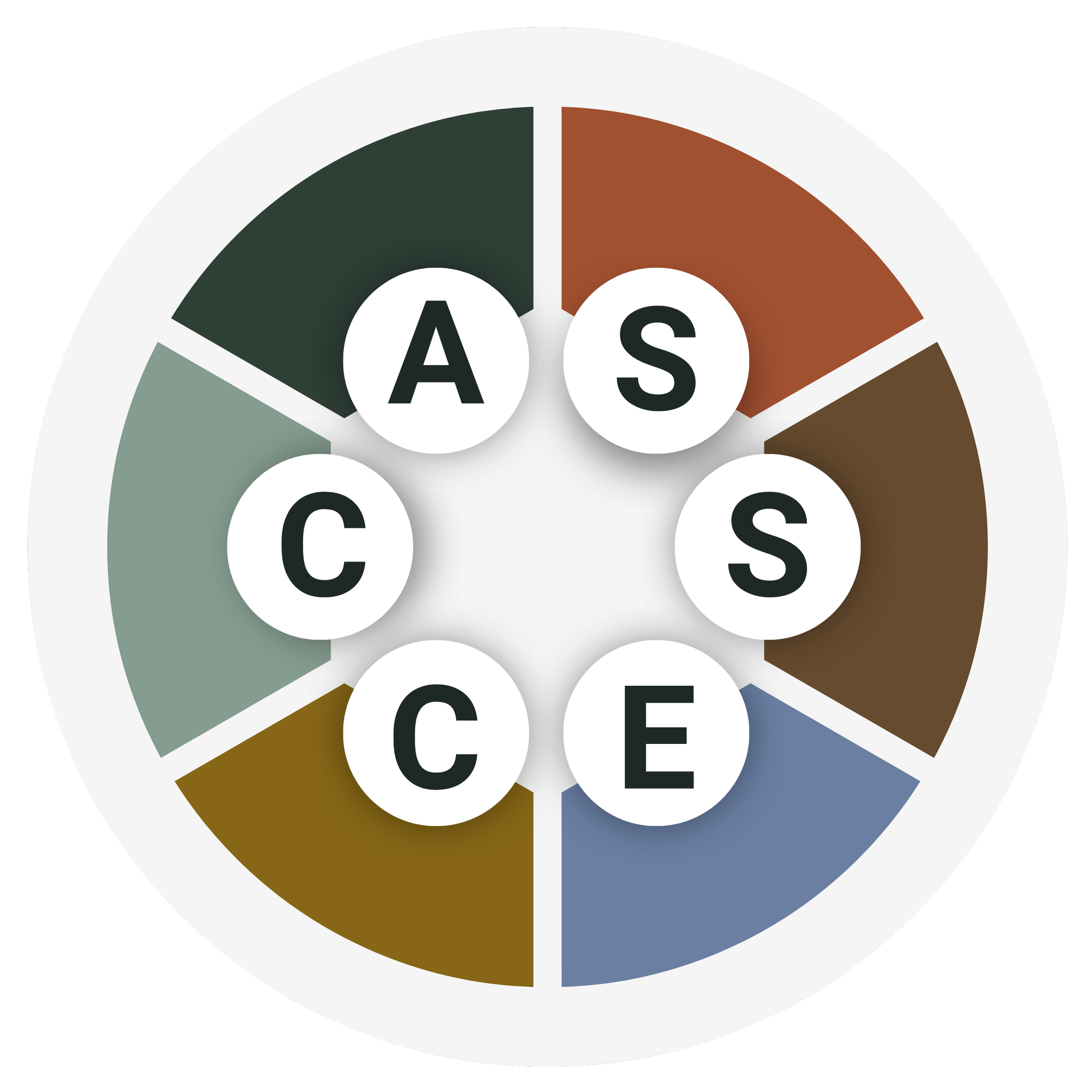
Six core principles shape a clear, people‑centred pathway through inclusive heritage practice. Each letter of the acronym represents a stage in the process.
Together, these principles create a structured yet flexible framework that helps organisations move from intention to action with purpose and integrity.
We begin by understanding the current state: stories, spaces, interpretation, culture, risks and opportunities. This evidence‑led baseline shapes the scope and ensures the work is grounded in reality, not assumptions.

We build confidence and capability through training, workshop delivery, guided reflection and practical examples. This ensures teams can understand and apply the work independently.
We bring staff, volunteers and communities into the process through workshops, reflective exercises and lived-experience conversations. This builds ownership, reduces resistance and strengthens trust.
We turn insights into step-by-step actions and distil complexity into clear, achievable priorities. This is where analysis and co‑creation become a practical pathway that organisations can realistically follow.
We help organisations make informed decisions about priorities, narratives, language, accessibility and visitor experience. This is where our interpretive expertise guides direction.
We support organisations to embed the work long-term, through culture-building, capacity-building, and practical routines that give staff the confidence and tools to carry the work forward themselves.
What the method helps you achieve
A shared language for inclusive heritage practice A clear, consistent way for teams to talk about inclusion.
Clarity around priorities, challenges and opportunities Understanding what matters most and where to focus energy.
Greater alignment between values and practice Clear pathways that turn commitments into consistent action.
Stronger, more reflective interpretation Narratives that are people‑centred and grounded in lived experience.
A culture that supports long‑term change Sustainable practices and shared ownership.
More accessible and welcoming visitor experiences Spaces and interactions that help every visitor feel seen and supported.
Confidence in decision‑making Tools and insight for informed, values‑aligned choices and decisions.
Improved confidence engaging with communities Support and structures that help teams build trust, listen well, and work in partnership with the people their heritage serves.
How it’s delivered
Facilitated workshops
Structured, supportive sessions that help teams explore stories, spaces and challenges with honesty and curiosity. Workshops introduce the ACCESS principles in an engaging, practical way.
Tailored consultancy support
Focused, bespoke guidance that responds to each organisation’s context, capacity, and ambitions. This includes strategic advice, interpretation support and inclusive practice recommendations.
Immersive site walkthroughs
On‑site explorations of stories, spaces and visitor journeys, using the ACCESS method principles to identify opportunities for more inclusive, accessible and meaningful experiences.
Interpretive and cultural‑safety immersion sessions
Sessions that explore how stories, language and staff practice shape visitor experience, using the ACCESS principles to surface risks and strengthen representation.
Collaborative sessions
Hands‑on sessions where staff, volunteers and community partners contribute insight and shape priorities. These build ownership and ensure the work reflects lived experience.
Practical tools and guided reflection
Clear, accessible resources that help teams translate ideas into action, including templates, prompts and structured reflection activities that build confidence and capability.
Leadership reflection sessions
Small‑group or one‑to‑one sessions that support leaders to align values, culture and decision‑making with inclusive practice, strengthening long-term commitment and accountability.
Learning & development masterclasses
Short, focused sessions that introduce teams to key concepts within the ACCESS framework, offering a structured introduction to the ideas behind the method and the foundations of workplace inclusive practice.
In-person and remote options
With the exception of immersive site walkthroughs, all sessions and workshops can be delivered either in‑person or remotely. This flexibility means organisations can engage with the Heritage ACCESS Method in a way that suits their team, capacity and location. Both formats offer the same level of care, facilitation quality and practical value, ensuring the work is accessible, engaging and effective wherever you are.