
INTANGIBLE HERITAGE & MEMORY WORK
Honouring lived experience, safeguarding cultural knowledge and strengthening collective memory.
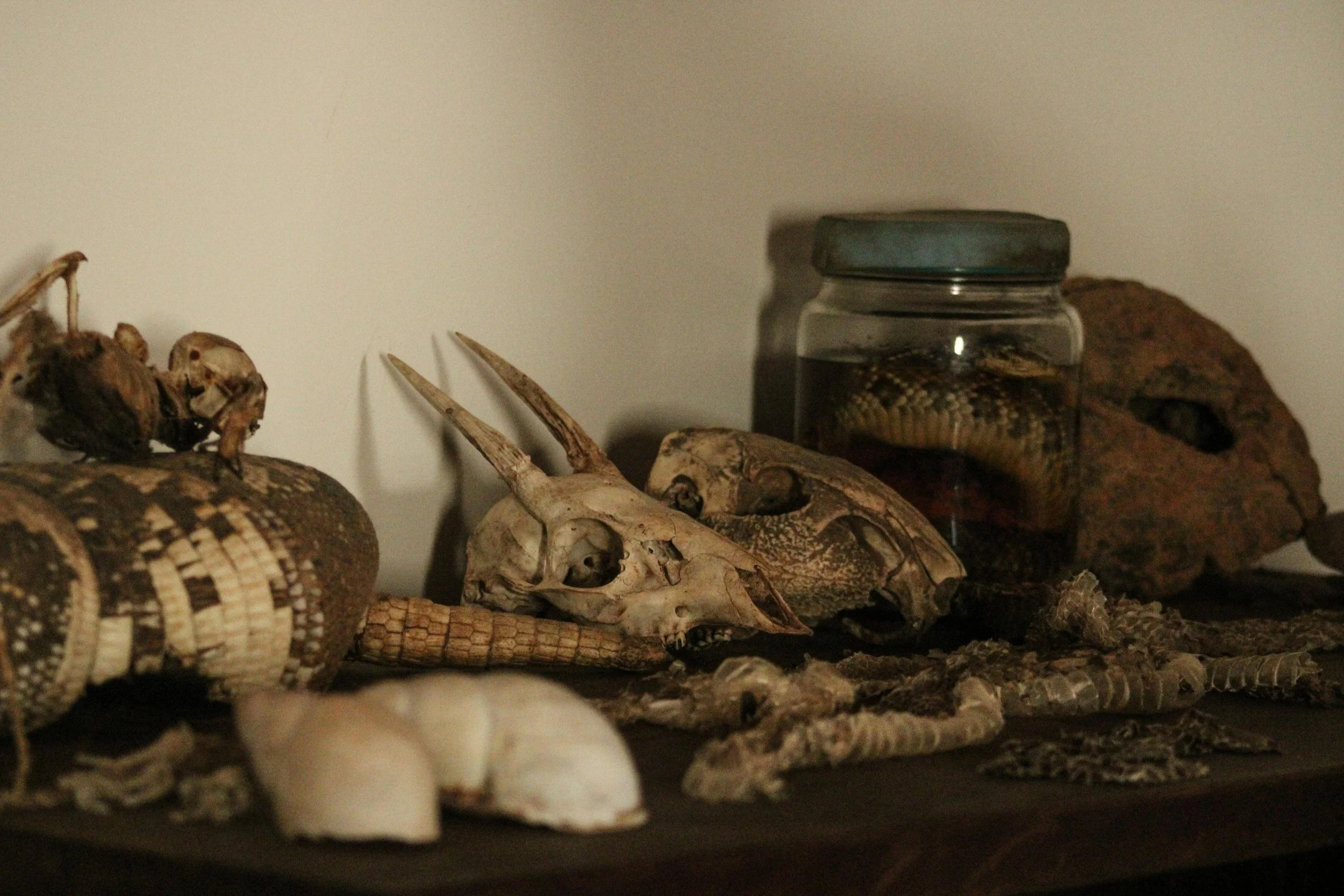
Intangible heritage is held in people, practices and relationships, not in objects or archives. It lives in language, ritual, craft, memory and the everyday ways communities make meaning. Memory work is the careful, ethical process of recognising, recording and sustaining these forms of heritage so they can be shared with dignity and carried forward with care.
We support organisations to understand, document and activate intangible heritage in ways that centre community agency, cultural safety and long‑term stewardship.
This work is grounded in relationships, trust, and deep listening. It helps organisations:
Recognise and value lived experience as heritage
Understand the cultural, emotional, and political dimensions of memory
Identify practices, stories, and knowledge at risk of being lost
Build ethical, community‑led approaches to documentation and sharing
Create environments where memory is held with care, not extracted
Every project is shaped by the communities whose heritage is being honoured.
What intangible heritage & memory work involves
How we work with you
1. Heritage mapping & community insights
A structured, relational process to understand the intangible heritage held within and around your organisation. This includes:
Community and stakeholder conversations
Mapping of practices, traditions and memory-rich spaces
Identification of heritage at risk
Cultural safety and relational-ethics review
2. Memory work facilitation
Gentle, trauma‑informed processes that support communities to share stories, knowledge, and lived experience on their own terms. This includes:
Story-gathering sessions and oral history conversations
Memory circles and intergenerational dialogues
Ethical storytelling frameworks
Consent, care and safeguarding protocols
3. Documentation & interpretation of intangible heritage
Support to document, interpret and share intangible heritage in ways that are culturally safe, accessible and meaningful. This includes:
Development of documentation approaches
Writing, editing and narrative shaping
Guidance on cultural protocols and permissions
Accessibility and inclusive language checks
4. Capacity building & organisational readiness
Helping your team build the skills, confidence, and frameworks needed to sustain memory work over time. This includes:
Training on intangible heritage and memory work principles
Cultural safety and trauma-informed practice
Workshops on ethical storytelling and relational accountability
Tools for ongoing reflection and community partnership
5. Long‑term stewardship & implementation support
Ensuring your intangible heritage work is embedded, cared for, and able to grow. This includes:
Review of documentation and interpretive plans
Support with community governance models
Evaluation and feedback processes
Guidance and long-term care, access and use
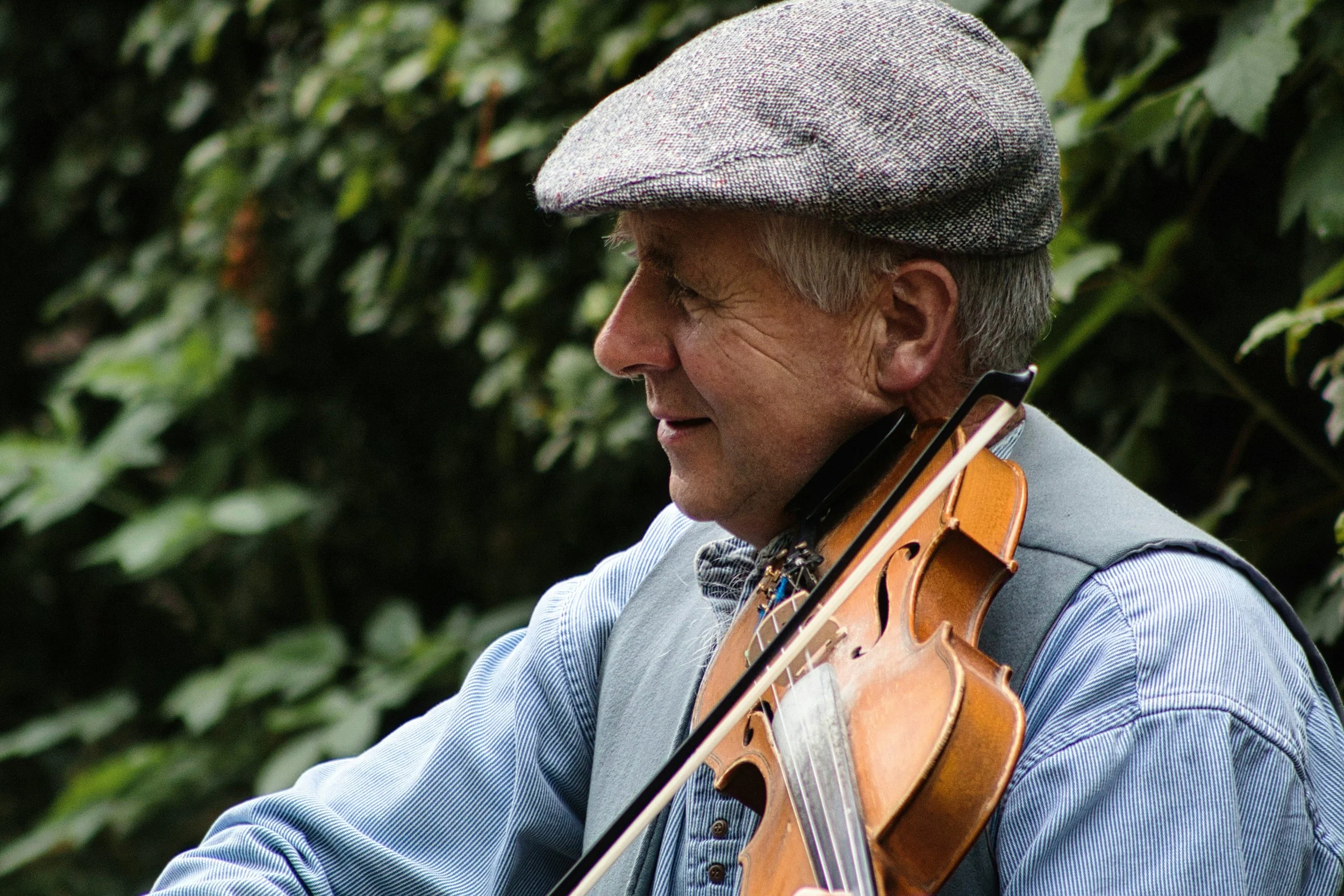
Why work with People’s Heritage Collective
People’s Heritage Collective brings grounded experience across heritage and higher education, paired with a justice‑oriented, people‑centred approach shaped by lived experience. Our work blends interpretive craft with emotional resonance, supported by a collaborative and reflective process that builds trust and organisational confidence. Throughout every stage, we hold a firm commitment to cultural safety.
Intangible heritage and memory work are not extractive exercises. They are opportunities to honour the knowledge communities carry and to reshape how stories are held, shared, and sustained. We help you do that work with integrity.