
WHERE LIVED EXPERIENCE LEADS
Exploring the deeper purpose behind People’s Heritage Collective
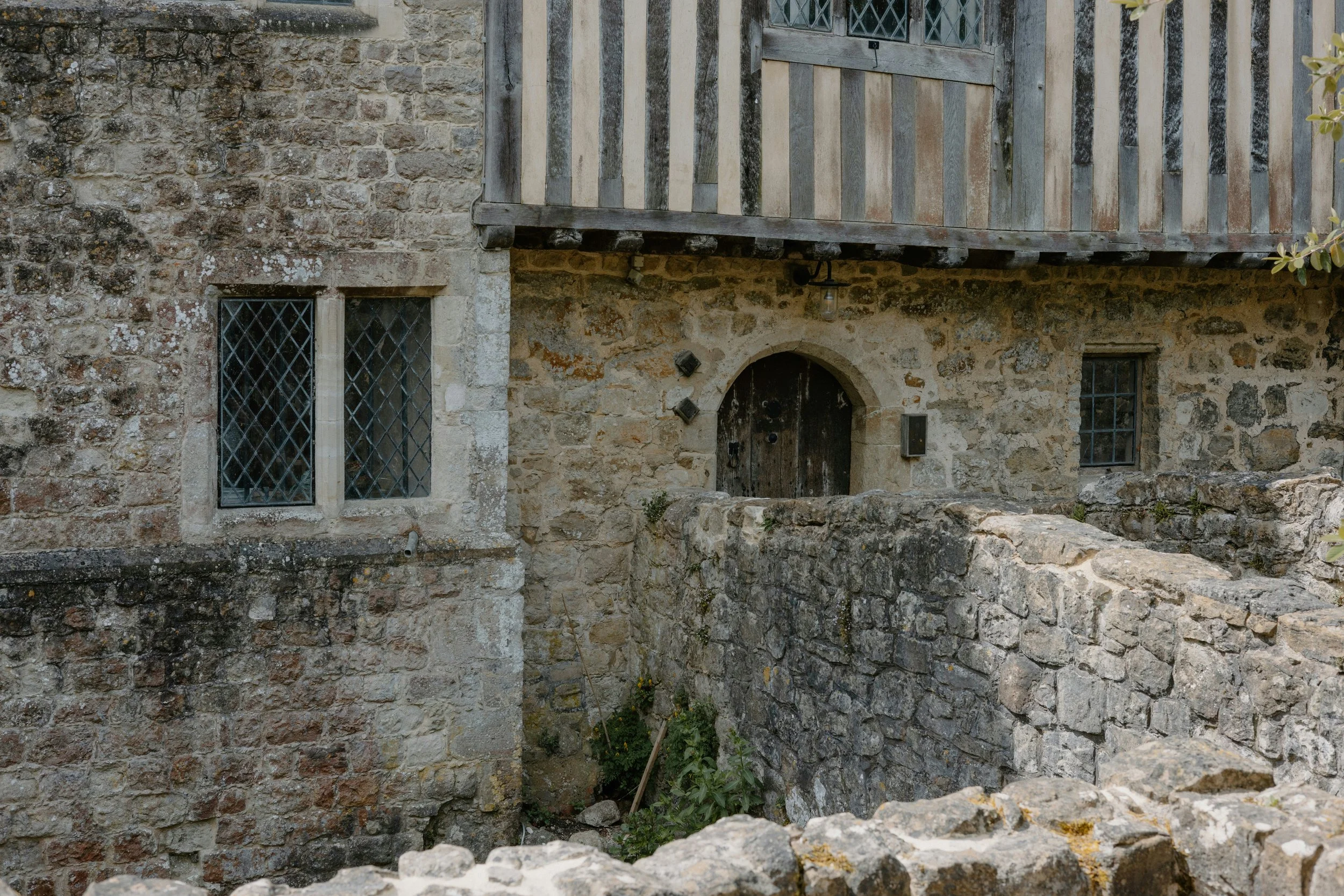
We imagine a heritage sector where everyone can recognise themselves in the stories we tell and feel a genuine sense of belonging in the spaces where those stories live. A sector where interpretation is shaped with communities, where accessibility is embedded from the start, and where the full complexity of our shared histories is acknowledged with honesty, care and courage.
Our vision is a future in which:
Heritage organisations where people-centred narratives are balanced, truthful and rooted in lived experience
disabled, d/Deaf, neurodivergent and marginalised communities are welcomed with dignity
staff feel equipped and supported to create equitable change
heritage spaces become places of connection, not exclusion
Our mission is to:
strengthen interpretation through inclusive, community‑centred storytelling
improve accessibility across physical, sensory, digital and cultural dimensions
enhance audience experience so every visitor feels seen, valued and respected
develop organisational culture grounded in equity, allyship and shared learning.
Relational, reflective and rooted in lived experience
We support museums and heritage organisations to build more equitable, inclusive and socially just practices through practical, reflective and collaborative consultancy.
We do this by grounding every intervention in lived experience, ensuring that change is not only strategic and sustainable, but deeply human and culturally meaningful. Through the Heritage ACCESS Method, we help organisations move from intention to action, and from action to meaningful, measurable change. We create space for honest conversations, support teams to rebalance narratives, and build confidence in inclusive practice.
The Heritage ACCESS Method is also the engine that keeps our vision and mission grounded in reality. It ensures that every strategy, review and intervention is shaped by the people most affected, not imposed from above. By centring lived experience as the primary source of insight, the method keeps organisations accountable to the communities they serve and aligned with our commitment to justice-oriented, people‑centred heritage practice.
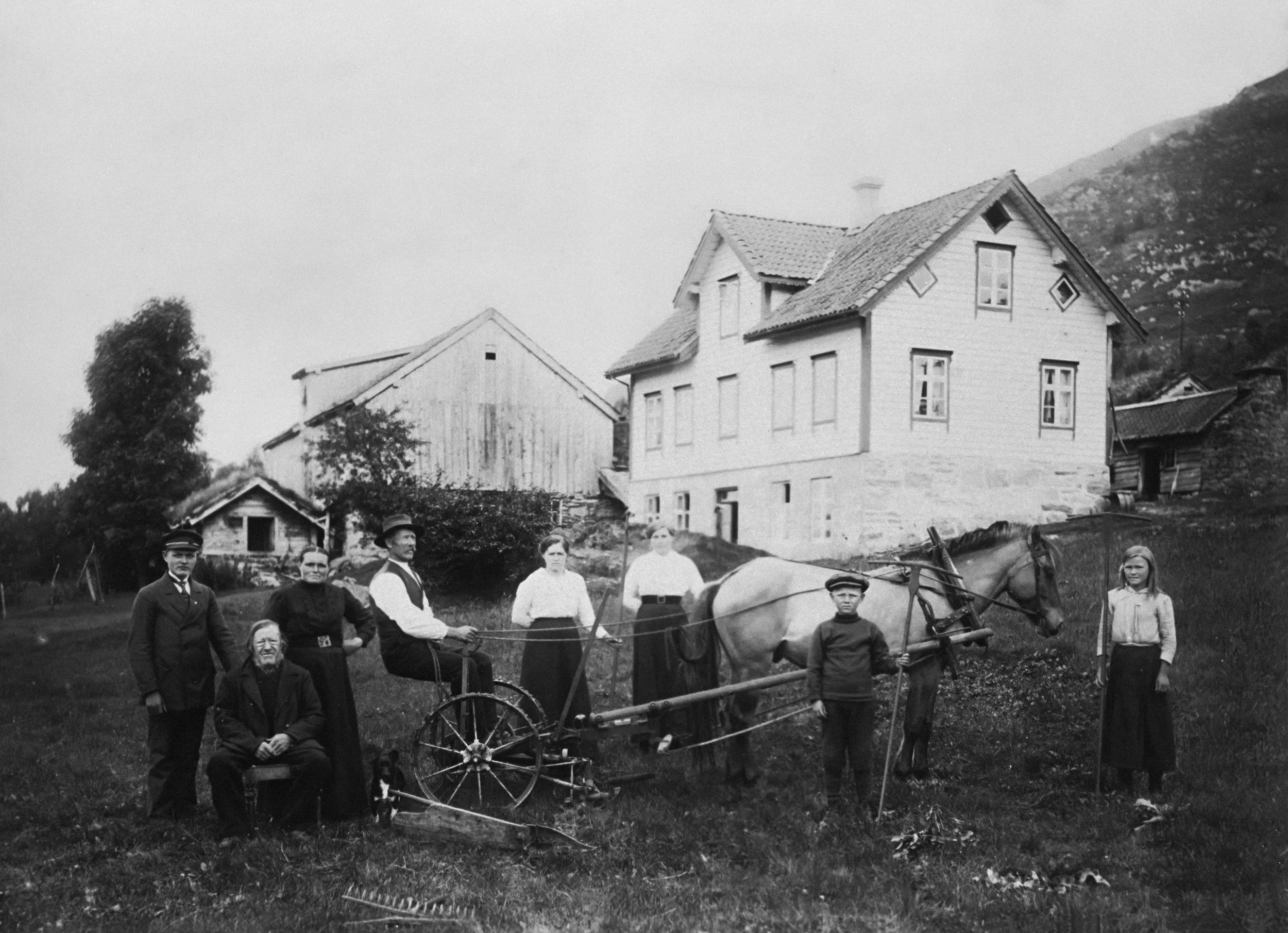
Our four core commitments
People first: centring lived experience, dignity and belonging
Equity and justice: challenging inequity with care and courage

Collaboration: working with staff and communities as partners
Sustainability: embedding long‑term, practical change that can carry forward

Heritage shapes how we understand ourselves and each other. When stories are incomplete or exclusionary, the impact is felt far beyond the walls of a museum or historic site. Our work is about widening who gets to be included, who gets to speak, and who gets to feel at home in heritage spaces.
We believe that when organisations commit to equity, accessibility and inclusive storytelling, heritage becomes more truthful, more relevant and more powerful.
“Heritage has the power to heal, the power to challenge and the power to bring people together, but only when everyone has visibility, voice and access.”