
LGBT+ History Month 2026: whose histories do we remember?
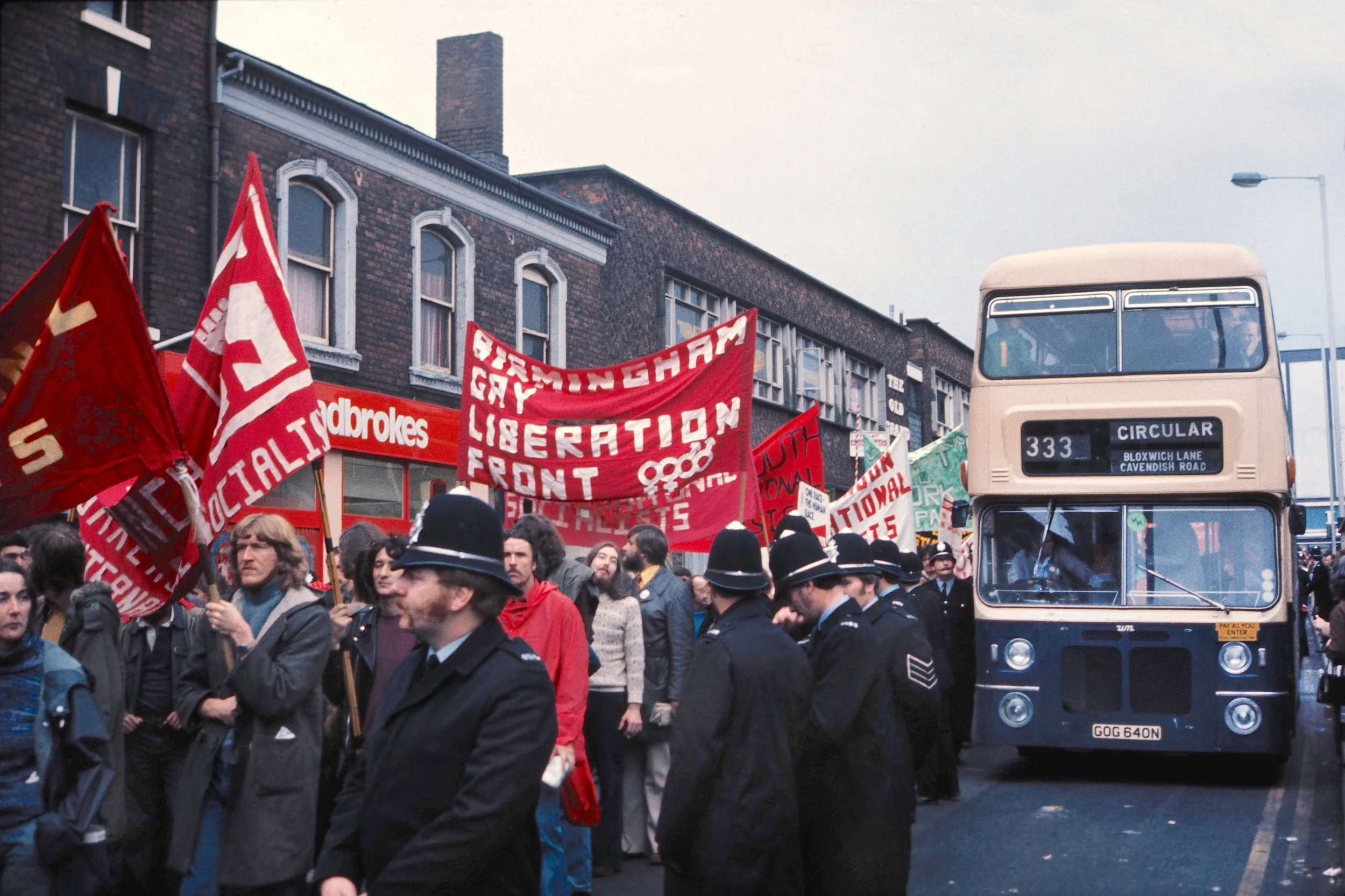
Every February, LGBT+ History Month invites us to look again at the stories we think we know. It asks us to notice the gaps, the silences and the people whose lives shaped the world but were never fully acknowledged within it. This year’s theme is Science and Innovation, and it brings those questions into sharp focus.
Science is often imagined as neutral, objective and detached from identity. But the histories behind scientific progress tell a different story: one shaped by exclusion, erasure and the quiet resilience of people who contributed to knowledge while navigating systems that did not always welcome them.
The stories we celebrate and the ones we overlook
The 2026 theme highlights five figures whose work spans engineering, environmental science, biotechnology, chemistry and public service. Their achievements are remarkable, but so too are the contexts in which they lived. Many LGBT+ scientists throughout history worked in environments where being open about who they were could cost them their careers, their reputations, and even their liberty and their safety. Some lived at times when science itself was used to justify discrimination, through the medicalisation or pathologisation of LGBT+ identities. This duality of contribution and harm, innovation and exclusion, sits at the heart of this year’s reflection. It reminds us that history is not simply a record of what happened, but a record of what was allowed to be recorded.
Hidden lives behind visible achievements
The official theme launch emphasised that LGBT+ people have always been part of scientific and technological progress, even when their identities were hidden or their contributions unrecognised. Some were written out of institutional histories. Others were celebrated professionally while their personal lives were quietly omitted. Still others had their work attributed to colleagues or institutions that benefited from their brilliance without acknowledging their identity. These patterns are not accidental. They reflect the broader social forces — criminalisation, stigma and the pressure to conform — that shaped who could be visible, and at what cost.
Science as a site of both progress and harm
LGBT+ History Month 2026 also asks us to confront the uncomfortable truth that science has not always been a force for liberation. It has been used to categorise, diagnose and control. It has been misapplied to justify exclusion, and it has shaped public attitudes in ways that still echo today. Understanding this history is essential as it helps us recognise why some stories are missing, why some people stayed silent, and why visibility was — and still can be — a risk.
Reclaiming the past, rethinking the future
Across the UK, communities are marking the month through exhibitions, talks, walking tours and creative commissions that surface local LGBT+ histories. Camden’s 2026 programme, for example, highlights activists, artists and community spaces whose stories have shaped the borough’s identity, many of which were overlooked in mainstream narratives for decades. These local histories matter as they remind us that innovation is not only found in laboratories or institutions; it is also found in community organising, in cultural spaces and in the everyday acts of people who created networks of care and resistance long before they were recognised.
Why this month still matters
LGBT+ History Month is not just a celebration; it is an act of reclamation. It asks us to consider:
Who gets remembered?
Who gets written out?
Who has the power to tell the story?
And how do we honour the people whose lives shaped our world, even when the archives did not?
The theme of Science and Innovation reminds us that progress is never only about discovery, it is also about who is allowed to contribute, whose knowledge is valued and whose identities are deemed acceptable within the systems that shape our lives.
As we mark LGBT+ History Month 2026, we are invited to look beyond the familiar narratives to the hidden histories, the quiet contributions and the people whose stories deserve to be told in full.
Sources
Ed Davey reflects on LGBT+ History Month 2026: theme, contributions, and historical erasure.
Camden Council’s LGBT+ History Month 2026 programme: local histories and community storytelling.
Official LGBT+ History Month 2026 theme launch: Science & Innovation; historical figures; context of harm and contribution.
Bi Community News coverage of the 2026 theme announcement: Science & Innovation and selected historical figures.
LGBTIjobs feature on LGBT+ History Month 2026: hidden histories, scientific contributions, and the impact of exclusion.
