
Bringing a justice‑oriented, lived‑experience‑informed approach to natural heritage accessibility.
CULTURAL SAFETY
What cultural safety means in heritage
Cultural safety isn’t a policy or a checklist. It’s a way of working that helps people move through heritage spaces with care, accountability and awareness. In a sector shaped by history, identity, power and emotion, cultural safety offers the grounding that teams need to hold complexity without causing harm.
In practice, it supports the quiet, often invisible work that makes heritage practice sustainable. It helps teams recognise the emotional and ethical labour involved in holding stories. It strengthens trust with communities who have experienced exclusion or harm. It brings clarity to contested histories and supports trauma‑aware, non‑extractive approaches to interpretation and engagement.
Cultural safety also shapes the everyday environment inside organisations. It creates conditions where staff and participants feel respected, heard and safe, and where decisions can be made in ways that honour relationships rather than urgency.
This is the quiet infrastructure that underpins inclusive, people‑centred heritage work; the foundation that allows complex, relational and emotionally charged work to land with integrity.
Why cultural safety matters now
Across the sector, cultural safety is becoming a core competency because the work itself is changing. Heritage teams are increasingly asked to hold sensitive or traumatic histories, community relationships shaped by past harm, organisational cultures under strain, climate‑related grief, responsibility and conflict and decolonial conversations about power, representation and repair
These pressures sit at the intersection of people, stories and place. Without cultural safety, they can lead to burnout, mistrust, ethical risk and unintentional harm. With cultural safety, they become opportunities for deeper connection, more ethical practice and more sustainable ways of working.

Inclusive heritage practice depends on more than representation or good intentions. It relies on the quality of the relationships that hold the work together. Cultural safety strengthens those relationships by creating conditions where people feel respected, heard and able to participate without fear of harm. It supports teams to work with a deeper awareness of the histories and identities present in the room, and to approach engagement in ways that honour lived experience rather than extract from it. When cultural safety is present, inclusive practice becomes steadier, more grounded and more capable of holding the complexity that communities bring.
Cultural safety and heritage practice

Climate justice work is not only about environmental change; it is also about the cultural, emotional and relational realities that sit beneath it. Museums are increasingly asked to hold conversations about land, loss, responsibility and unequal impacts - conversations that carry grief, urgency and histories of harm. Cultural safety provides the grounding needed for this work to be ethical and community‑centred. It helps teams approach climate narratives with sensitivity to power, trauma and lived experience, and to build the trust required for meaningful dialogue. In this way, cultural safety becomes a vital part of climate justice practice.
Cultural safety and climate justice
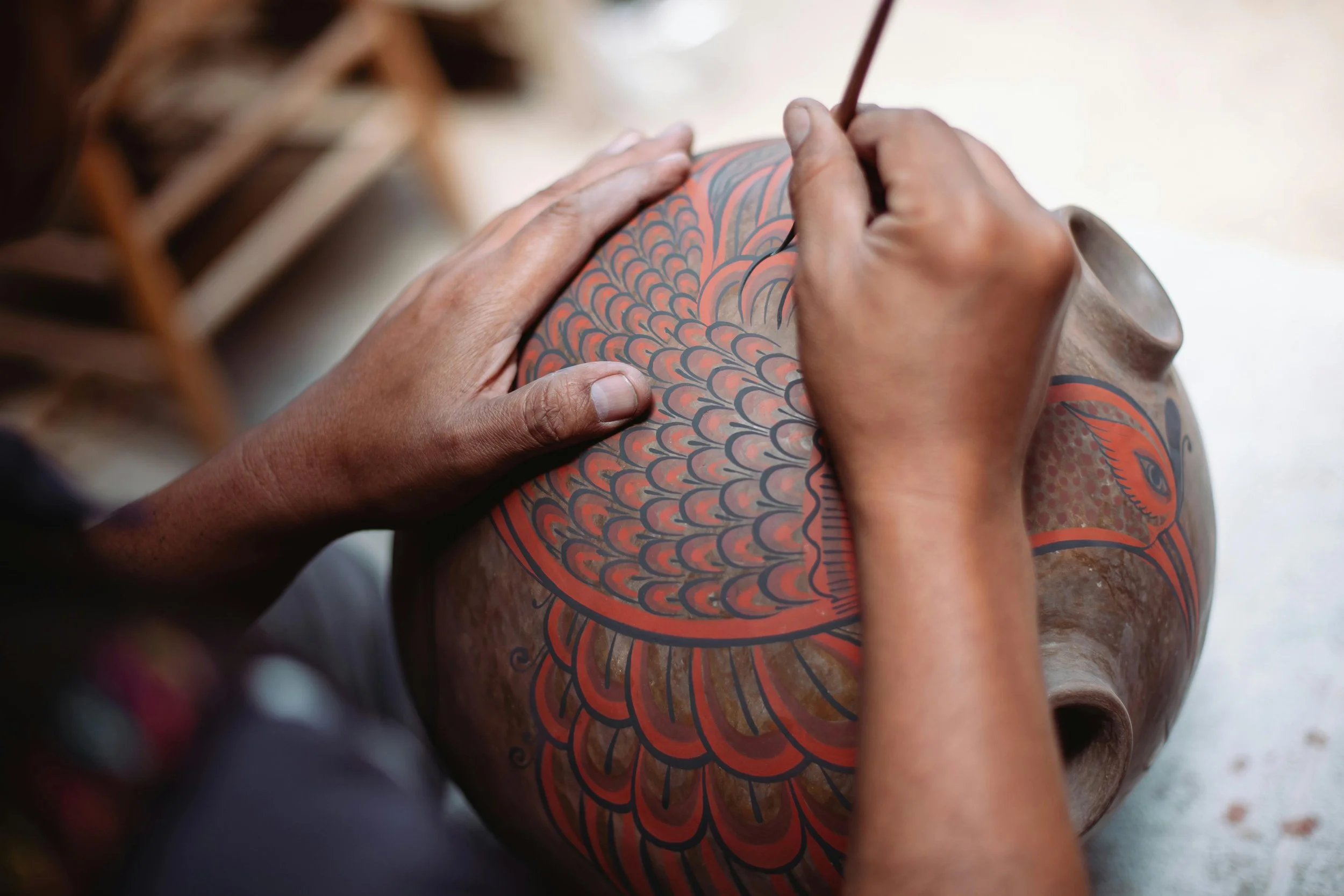
Memory work often unfolds in emotionally charged terrain. It touches grief, identity, silence, conflict and the weight of intergenerational experience. Cultural safety helps teams move through this terrain with care. It offers a way of working that recognises the emotional labour involved in holding stories, and that supports people to navigate sensitive material without retraumatising themselves or others. It creates space for nuance, for uncertainty and for the kinds of conversations that require trust to unfold. With cultural safety in place, memory work becomes a practice of honouring rather than managing emotion.
Cultural safety and memory work

Decolonial work asks organisations to confront power, repair relationships and work in ways that are accountable to the communities they serve. This is demanding, emotional work that requires humility, care and a willingness to sit with discomfort. Cultural safety supports this by creating environments where difficult conversations can happen without causing further harm. It encourages approaches that are relational rather than extractive, and that recognise the emotional labour involved in challenging long‑standing structures. When cultural safety underpins decolonial practice, the work becomes more honest, more grounded and more capable of leading to meaningful change.
Cultural safety and decolonial practice
How we support cultural safety
People’s Heritage Collective helps organisations build the cultural, emotional and relational foundations that make complex heritage work sustainable. Cultural safety sits at the heart of everything we do. It shapes the way we approach interpretation, engagement, organisational culture and facilitation, and it guides how we support teams to work with care in contexts shaped by history, identity and power.
Across our practice, cultural safety is not treated as a standalone offer but as a thread that runs through all six of our services. It informs the way we help teams hold stories with sensitivity, build trust with communities, navigate ethical tensions and create environments where people feel respected and able to participate fully. Whether we are supporting cultural safety foundations, strengthening approaches to story‑holding, guiding community‑centred work, helping organisations reflect on their internal cultures, building facilitation skills or advising on ethical risk, the focus remains the same: creating the conditions for people to work with clarity, confidence and care.
Each service strengthens a different aspect of cultural safety, offering organisations a steady, relational and trauma‑aware approach to the challenges they face. Together, they form a coherent framework that supports heritage teams to meet complexity with integrity and to carry out their work in ways that are both ethical and sustainable.
When cultural safety is built in from the beginning, heritage work feels different. Calmer, clearer, more grounded, and far more capable of holding the pressures the sector is now carrying.
What might shift in your organisation if cultural safety became a foundation rather than an afterthought?