
FROM MATERIAL TO MEMORY
Rebalancing whose heritage is seen, heard and valued
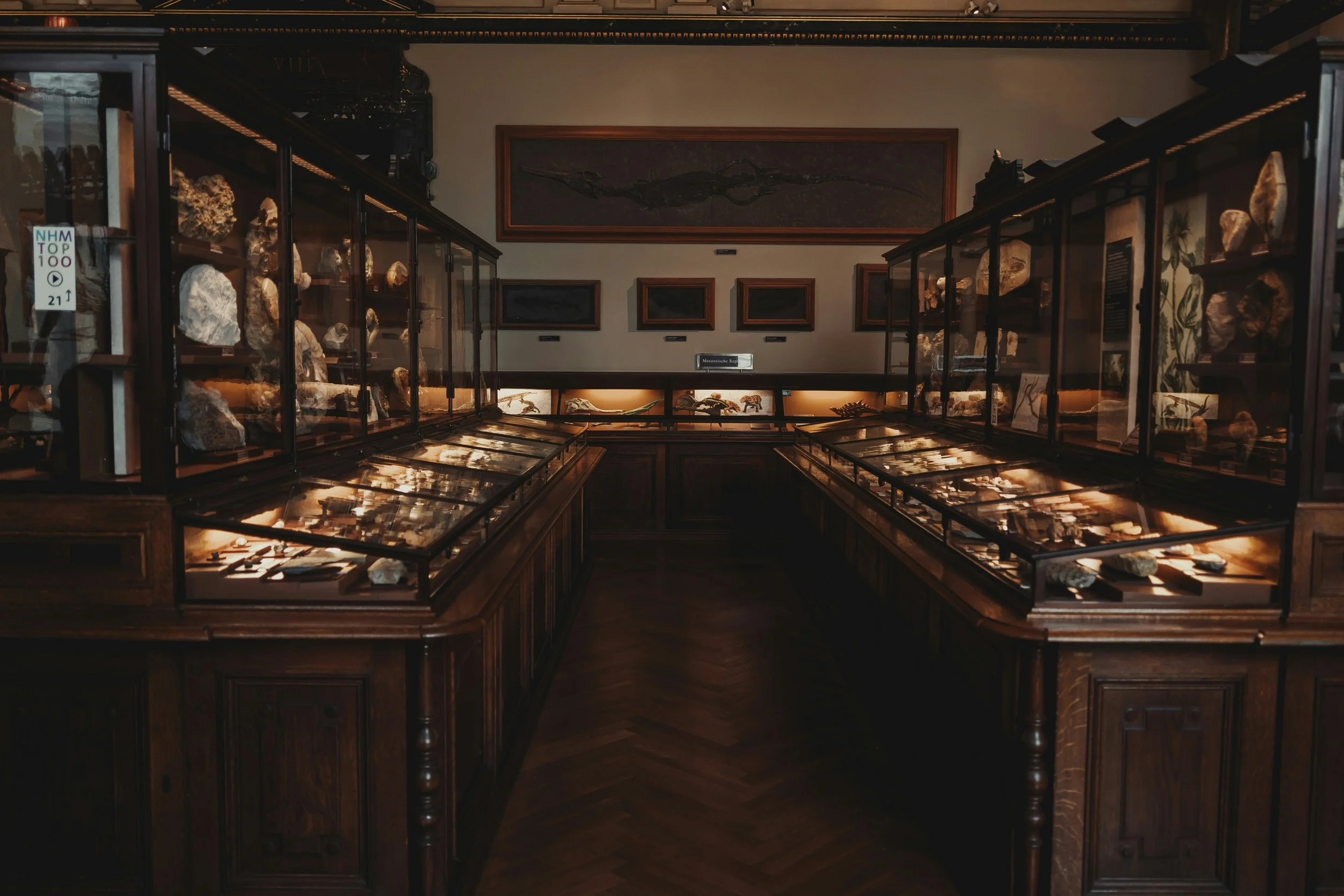
Tangible and intangible heritage describe the two interconnected ways culture is held, expressed and passed on. Tangible heritage refers to physical objects and places; intangible captures the living elements: the stories, traditions, languages and community knowledge that give those objects meaning. Together they show how people remember, relate and belong.
From buildings and objects to stories and traditions, heritage lives in both what we keep and what we share. Our tangible and intangible heritage, from objects, buildings and collections to oral histories, food traditions and community knowledge passed down generations, shapes how we understand ourselves, each other and the places we call home. Yet across the UK, many communities remain underrepresented or misrepresented in these narratives.
Recent research across the UK heritage sector shows that long‑standing inequities continue to shape whose stories are collected, interpreted and shared. Studies from the National Lottery Heritage Fund highlight how many collections and narratives still reflect historic bias and, in some cases, colonial frameworks, which limits the visibility of marginalised communities. Their equality, diversity and inclusion (EDI) research findings also show that interpretation often centres institutional perspectives rather than lived experience, and that many organisations lack confidence when working with contested histories or trauma‑informed approaches.
Historic England’s 2024 Workforce Diversity Survey reinforces this picture, showing that the sector’s workforce remains far from representative of the UK population. This imbalance influences which histories are prioritised and how they are told. English Heritage’s work on under‑represented heritages further demonstrates the ongoing neglect of intangible heritage, including community memory, creative practice and oral traditions, which are essential to understanding how people relate to place.
Further studies across the sector echo these patterns. The Museums Association’s research on workforce and governance diversity highlights similar gaps in representation, particularly in leadership roles that shape institutional priorities. Reports from the Association of Independent Museums point to ongoing uncertainty around inclusive practice and the confidence needed to work meaningfully with communities whose heritage has been historically marginalised. The National Trust’s work on histories of place and empire also illustrates how inherited narratives continue to influence interpretation, and how addressing these legacies requires sustained, community‑centred collaboration.
Together, this body of evidence makes clear that while progress is being made, many communities remain under‑represented or misrepresented in heritage narratives, and that more inclusive, community‑centred approaches are needed to shift the balance.
Systemic barriers and challenges
Taken together, the research points to a set of structural issues that continue to shape practice across the sector. These patterns show up consistently in how heritage is collected, interpreted and experienced, including:
Collections and narratives shaped by historic bias, exclusion or colonial frameworks
Interpretation that centres institutional voices rather than lived experience
Limited representation of marginalised communities in exhibitions, programmes, and decision‑making
Gaps in staff confidence around contested histories, trauma‑informed practice and inclusive storytelling
Lack of co‑production structures that genuinely shift power
Inadequate frameworks for evaluating cultural safety, belonging and impact
Under‑recognition of intangible heritage, including community memory, creative practice and oral traditions.
Responding to the call for change
Across the UK, organisations are being asked to rethink how they interpret collections, share stories and engage communities. Research makes it clear that many of the barriers facing the sector are structural: historic bias embedded in collections, institutional voices dominating interpretation, gaps in representation and limited confidence around contested or trauma‑laden histories. These challenges shape not only what is preserved, but how people experience heritage and whether they feel recognised within it.
Funders, audiences and communities are increasingly calling for approaches that move beyond surface‑level representation. They expect accountability, care and meaningful change: approaches that acknowledge the complexity of heritage, address inequities directly and create space for a wider range of stories, memories and practices to be held with respect.
People’s Heritage Collective supports organisations to respond to this moment with clarity and integrity. Our work is grounded in justice‑oriented, lived‑experience‑informed practice, helping teams navigate the structural issues highlighted in the research and translate intention into action. We help organisations build interpretive practices and organisational cultures that centre community knowledge, strengthen trust and make both tangible and intangible heritage more inclusive and resonant.
By working alongside staff, leaders and communities, we support organisations to create environments where people feel seen, valued and able to shape the stories that define our shared heritage, not as an add‑on, but as a core part of how heritage is understood and stewarded.
If you’re ready to explore what more inclusive, community‑centred heritage practice could look like for your organisation, we’d love to talk.
SOURCES
National Lottery Heritage Fund (2021–2023). Equality, Diversity and Inclusion Research and sector insight reports on collections, interpretation and community engagement.
Historic England (2024). Workforce Diversity Survey. Findings on representation, workforce demographics and sector‑wide inequities.
English Heritage (2020–2023). Under‑Represented Heritages Programme and associated research on intangible heritage, community memory and overlooked narratives.
Museums Association (2022). Museums for the Many? Research on workforce, governance and diversity across UK museums.
Association of Independent Museums (AIM) (2023). AIM Sector Insights: Tackling Inequality in Museums. Evidence on organisational confidence, inclusive practice and community engagement.
National Trust (2020–2023). Interim Report on the Connections between Colonialism and Properties in the Care of the National Trust and subsequent place‑based research on histories of empire, slavery and global connections.